
10 Daily Habits to Boost Your Physical and Mental Wellness sets the stage for this enthralling narrative, offering readers a glimpse into a story that is rich in detail with casual formal language style and brimming with originality from the outset.
As we delve into the world of daily habits that enhance both physical and mental well-being, we uncover a treasure trove of practices that can transform your overall health and mindset.
Introduction to Daily Habits
In the context of physical and mental wellness, daily habits refer to the consistent behaviors and routines that individuals engage in on a daily basis to support their overall well-being. These habits can include activities related to exercise, nutrition, mindfulness, sleep, self-care, and stress management.
Establishing daily routines is crucial for maintaining optimal health and wellness. By incorporating positive habits into our daily lives, we can improve our physical fitness, mental clarity, emotional resilience, and overall quality of life. Consistency is key when it comes to developing habits that contribute to our well-being.
Examples of Impactful Daily Habits
- Regular Exercise: Engaging in physical activity daily can boost energy levels, improve cardiovascular health, and enhance mood through the release of endorphins.
- Healthy Eating: Consuming nutritious meals and staying hydrated can support overall physical health and contribute to better cognitive function.
- Mindfulness Practices: Taking time for meditation, deep breathing, or yoga can reduce stress, promote relaxation, and enhance mental clarity.
- Adequate Sleep: Prioritizing quality sleep each night is essential for cognitive function, mood regulation, and overall well-being.
- Self-Care Rituals: Engaging in activities that promote self-care, such as reading, journaling, or taking a bath, can help reduce stress and improve emotional well-being.
Physical Wellness Habits
Incorporating specific physical habits into your daily routine can have a significant impact on both your body and mind. These habits can boost your overall wellness and help you feel your best each day.
Regular Exercise
Regular exercise is essential for maintaining physical health and mental well-being. It helps improve cardiovascular health, build muscle strength, and release endorphins that elevate mood. Aim for at least 30 minutes of moderate exercise most days of the week. Incorporate activities you enjoy, such as walking, biking, or yoga, to make it a sustainable habit.
Healthy Eating
Eating a balanced diet rich in fruits, vegetables, lean proteins, and whole grains is crucial for physical wellness. Nutrient-dense foods provide the energy needed for daily activities and support brain function. Avoid processed foods high in sugar and unhealthy fats.
Plan your meals ahead of time and opt for homemade, nutritious options whenever possible.
Adequate Sleep
Getting enough quality sleep is vital for physical and mental health. Sleep allows the body to repair and rejuvenate, improving immune function and cognitive abilities. Aim for 7-9 hours of sleep each night by establishing a bedtime routine and creating a sleep-conducive environment.
Avoid caffeine and electronic devices before bed to promote better sleep quality.
Stay Hydrated
Proper hydration is key to maintaining overall wellness. Water helps regulate body temperature, transport nutrients, and flush out toxins. Aim to drink at least 8 glasses of water per day, more if you're active or in hot weather. Carry a reusable water bottle with you and set reminders to stay hydrated throughout the day.
Stress Management
Chronic stress can negatively impact physical and mental health. Practice stress-reducing techniques such as deep breathing, meditation, or yoga to relax the mind and body. Engage in activities that bring you joy and help you unwind. Prioritize self-care and set boundaries to prevent burnout and maintain overall wellness.
Mental Wellness Habits
Maintaining good mental health is crucial for overall well-being. Here are five key mental habits that can help boost mental wellness and improve cognitive function and emotional well-being.
Practice Mindfulness
- Engaging in mindfulness practices, such as meditation or deep breathing exercises, can help reduce stress and anxiety levels.
- By being present in the moment, you can enhance your focus, attention, and overall mental clarity.
- Try setting aside a few minutes each day to practice mindfulness and observe the positive impact on your mental well-being.
Stay Active
- Regular physical exercise not only benefits your physical health but also has a significant impact on your mental well-being.
- Exercise releases endorphins, which are known as "feel-good" hormones that can boost your mood and reduce feelings of depression.
- Find an exercise routine that you enjoy and make it a habit to stay active for improved mental wellness.
Cultivate Positive Relationships
- Surround yourself with supportive and positive individuals who uplift and encourage you.
- Healthy relationships can provide a sense of belonging, reduce feelings of loneliness, and contribute to overall mental well-being.
- Make an effort to nurture your relationships and prioritize spending time with loved ones for a positive impact on your mental health.
Get Sufficient Sleep
- Prioritize getting an adequate amount of sleep each night to support your mental health and well-being.
- Sleep plays a crucial role in cognitive function, memory consolidation, and emotional regulation.
- Develop a bedtime routine and create a sleep-friendly environment to ensure quality rest for optimal mental wellness.
Practice Gratitude
- Cultivating a mindset of gratitude can enhance your overall mental well-being and increase feelings of happiness and contentment.
- Take time each day to reflect on things you are grateful for and express appreciation towards yourself and others.
- Keeping a gratitude journal or practicing gratitude exercises can help you maintain a positive outlook and improve your mental wellness.
Importance of Nutrition and Hydration
Proper nutrition and hydration play a crucial role in maintaining both physical and mental wellness. A balanced diet and adequate hydration are essential for overall health and well-being, providing the necessary nutrients and fluids to support bodily functions and cognitive processes.
Benefits of a Balanced Diet
- Eating a variety of fruits, vegetables, whole grains, lean proteins, and healthy fats can provide essential vitamins, minerals, and antioxidants that support physical health.
- A balanced diet can help regulate blood sugar levels, improve digestion, boost energy levels, and maintain a healthy weight.
- Consuming nutrient-rich foods can also have a positive impact on mental health, reducing the risk of depression, anxiety, and cognitive decline.
Importance of Proper Hydration
- Staying hydrated is essential for optimal physical performance, as water helps regulate body temperature, transport nutrients, and lubricate joints.
- Proper hydration is also crucial for cognitive function, as dehydration can impair concentration, memory, and mood.
- Choosing water as the main source of hydration is ideal, but herbal teas, infused water, and low-sugar beverages can also contribute to overall fluid intake.
Creating Meal Plans for Physical and Mental Health
- Focus on incorporating a variety of nutrient-dense foods in your meals to ensure you are getting a wide range of essential nutrients.
- Plan balanced meals that include a mix of carbohydrates, proteins, and healthy fats to support energy levels and satiety.
- Aim to include colorful fruits and vegetables, whole grains, lean proteins, and sources of healthy fats in your daily diet.
- Stay mindful of portion sizes and listen to your body's hunger and fullness cues to maintain a healthy relationship with food.
The Role of Exercise in Daily Routine
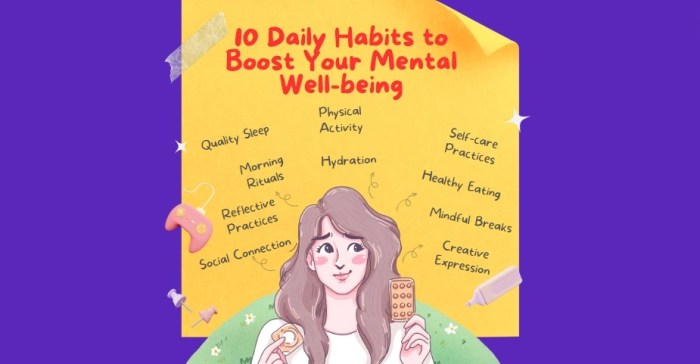
Regular physical activity plays a crucial role in enhancing both physical and mental wellness
Benefits of Regular Physical Activity
- Improves cardiovascular health: Regular exercise helps strengthen the heart and improve circulation, reducing the risk of heart disease.
- Enhances mood and mental well-being: Exercise releases endorphins, which are known as "feel-good" hormones, leading to a more positive outlook and reduced feelings of depression and anxiety.
- Increases energy levels: Physical activity boosts energy levels and enhances overall stamina, making daily tasks easier to accomplish.
- Reduces stress and anxiety: Exercise is a natural stress reliever, helping to alleviate tension and promote relaxation.
Types of Exercises for Varying Fitness Levels
- Low-impact exercises: Walking, swimming, and yoga are great options for beginners or individuals with mobility issues.
- Strength training: Weightlifting or bodyweight exercises help build muscle mass and improve overall strength.
- Cardiovascular exercises: Running, cycling, or dancing are excellent choices for improving cardiovascular health and endurance.
- Flexibility exercises: Stretching or Pilates can enhance flexibility and range of motion.
Tips for Staying Motivated and Committed to Exercise
- Set realistic goals: Establish achievable fitness goals to stay motivated and track your progress.
- Find a workout buddy: Exercising with a friend or joining a group class can provide accountability and make workouts more enjoyable.
- Switch up your routine: Keep things interesting by trying different types of exercises and varying your workout routine.
- Reward yourself: Celebrate your exercise achievements with non-food rewards to reinforce positive behavior.
Sleep Hygiene and its Impact
Quality sleep is crucial for overall well-being as it plays a significant role in both physical and mental health. Establishing healthy sleep habits and routines can greatly enhance our daily functioning and productivity. Additionally, creating a sleep-friendly environment can optimize our rest and rejuvenation.
Healthy Sleep Habits and Routines
- Aim for a consistent sleep schedule by going to bed and waking up at the same time every day, even on weekends.
- Avoid stimulants like caffeine and nicotine close to bedtime, as they can interfere with your ability to fall asleep.
- Create a relaxing bedtime routine to signal to your body that it's time to wind down, such as reading a book or taking a warm bath.
- Ensure your sleeping environment is comfortable, cool, dark, and quiet to promote uninterrupted rest.
- Avoid screens like phones and laptops before bed, as the blue light emitted can disrupt your circadian rhythm.
Creating a Sleep-Friendly Environment
- Invest in a comfortable mattress and pillows that support healthy sleep posture.
- Use blackout curtains or a sleep mask to block out any excess light that may disturb your sleep.
- Keep your bedroom at a cool temperature to promote deep and restful sleep.
- Avoid clutter and distractions in your bedroom to create a peaceful and calming environment.
- Consider incorporating white noise or soothing sounds to drown out any disruptive noises that may interrupt your sleep.
Stress Management Techniques
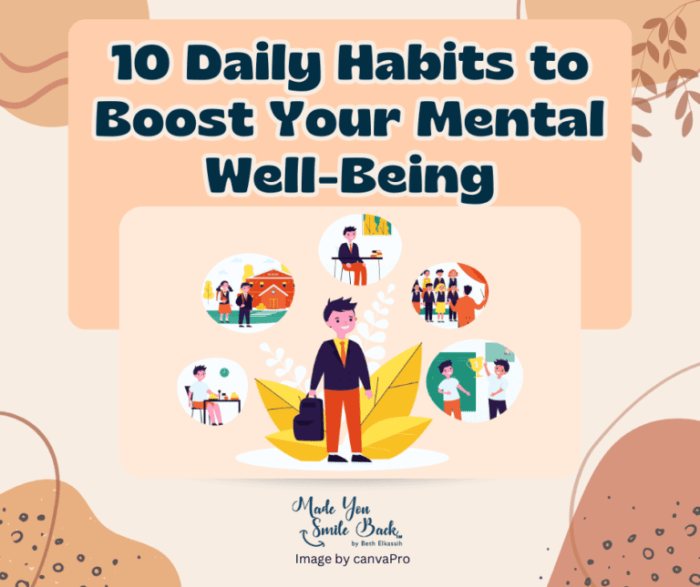
Stress is a common occurrence in daily life, but it is important to have effective strategies to manage it in a healthy way. Implementing stress management techniques can greatly improve both physical and mental wellness. Here are some techniques to help you combat stress and incorporate relaxation practices into your daily routine.
Relaxation Techniques
- Practice Meditation: Set aside a few minutes each day to meditate, focusing on deep breathing and clearing your mind. Meditation can help reduce stress and promote a sense of calmness.
- Deep Breathing Exercises: Take slow, deep breaths to activate your body's relaxation response. Deep breathing can help lower stress levels and improve overall well-being.
- Mindfulness Practice: Stay present in the moment and pay attention to your thoughts and feelings without judgment. Mindfulness can help you manage stress more effectively and increase self-awareness.
Incorporating Stress-Relief Practices
- Schedule Regular Breaks: Take short breaks throughout the day to relax and recharge. Engaging in activities you enjoy can help reduce stress levels and improve productivity.
- Physical Activity: Exercise is a great way to relieve stress and boost mood. Incorporate regular physical activity into your routine to help manage stress effectively.
- Connect with Others: Social support can help reduce stress and improve overall well-being. Spend time with friends and loved ones to share your feelings and experiences.
Social Connections and Support
Social connections play a vital role in promoting mental wellness by providing a sense of belonging, support, and companionship.
Benefits of Maintaining Strong Social Connections
- Reduced feelings of loneliness and isolation.
- Increased self-esteem and confidence.
- Improved communication and interpersonal skills.
- Enhanced emotional resilience and coping mechanisms.
Suggestions for Fostering Meaningful Relationships
- Join clubs or groups with similar interests to meet like-minded individuals.
- Volunteer in your community to connect with others and give back.
- Stay in touch with family and friends through regular phone calls or visits.
- Practice active listening and empathy to deepen your relationships.
Closure
In conclusion, embracing these 10 Daily Habits to Boost Your Physical and Mental Wellness can lead to a life filled with vitality, balance, and resilience. By integrating these practices into your daily routine, you pave the way for a healthier and happier you.
FAQ
How long does it take to see results from these daily habits?
Results can vary depending on the individual, but consistency is key. You may start feeling the benefits within a few weeks of adopting these habits.
Are these habits suitable for people of all ages?
Absolutely! These habits are universal and can be tailored to suit individuals of any age group.
Can one start incorporating all 10 habits at once?
It might be overwhelming to start all at once. It's advisable to gradually introduce these habits into your routine to ensure long-term adherence.