
Exploring the evolving landscape of healthcare, this piece delves into how wellness centers play a crucial role in shaping the future of healthcare. From innovative services to collaborations with traditional healthcare providers, the impact of these centers is profound and transformative.
Importance of Wellness Centers in Healthcare Transformation
Wellness centers play a crucial role in reshaping the future of healthcare by focusing on preventive care and overall patient well-being. These centers are integrating holistic approaches into traditional healthcare models, leading to a shift towards a more proactive and patient-centered system.
Integration of Preventive Care
Wellness centers are actively integrating preventive care measures such as regular health screenings, lifestyle counseling, and wellness programs into their services. By identifying health issues early on and promoting healthy habits, these centers help patients avoid serious health complications in the future.
Impact on Patient Well-being and Cost Reduction
The emphasis on overall patient well-being in wellness centers leads to improved health outcomes and reduced healthcare costs in the long run. By focusing on prevention and lifestyle modifications, these centers help individuals manage chronic conditions more effectively, leading to fewer hospitalizations and medical interventions.
This proactive approach not only benefits patients but also contributes to the sustainability of the healthcare system as a whole.
Innovative Services Offered by Wellness Centers
Wellness centers are revolutionizing the healthcare industry by offering a wide range of innovative services that prioritize holistic well-being and preventative care. These centers go beyond traditional medical facilities to provide patients with a comprehensive approach to health and wellness.
Let's explore some of the unique services that set wellness centers apart and how technology is being leveraged to enhance patient outcomes.
Advanced Technological Integration for Enhanced Patient Experience
Wellness centers are incorporating cutting-edge technology to improve patient experience and outcomes. From telemedicine services for remote consultations to wearable devices that track health metrics, technology is being used to monitor and manage patient health more effectively. Electronic health records and data analytics help personalize treatment plans, while virtual reality and telehealth platforms offer convenient access to care.
Holistic Wellness Approaches for Comprehensive Care
In addition to traditional medical treatments, wellness centers offer holistic approaches that address the physical, emotional, and mental well-being of patients. Services such as acupuncture, massage therapy, yoga, and meditation are integrated into treatment plans to promote overall wellness. Nutritional counseling, stress management programs, and fitness classes further enhance the holistic approach to healthcare, focusing on preventive measures and lifestyle modifications.
Personalized Health and Wellness Plans
Wellness centers prioritize individualized care by creating personalized health and wellness plans for each patient. Through comprehensive assessments and consultations, healthcare providers develop tailored programs that address specific health needs and goals. These plans often include a combination of medical treatments, lifestyle modifications, and complementary therapies to support overall well-being.
By focusing on the whole person, wellness centers empower patients to take an active role in their health and make informed decisions about their care.
Collaboration Between Wellness Centers and Traditional Healthcare Providers
Wellness centers are increasingly recognizing the value of collaborating with hospitals and medical professionals to enhance patient care. This partnership between wellness centers and traditional healthcare providers is reshaping the future of healthcare delivery by promoting a more holistic approach to wellness.
Benefits of Multidisciplinary Approach in Healthcare
- Improved Patient Outcomes: By combining the expertise of wellness centers and traditional healthcare providers, patients receive comprehensive care that addresses both their physical and mental well-being.
- Enhanced Preventive Care: Collaboration allows for early detection of health issues and proactive interventions to prevent diseases, leading to a healthier population.
- Efficient Resource Utilization: By working together, wellness centers and traditional providers can optimize resources and streamline healthcare services, reducing costs and improving accessibility.
Influence on Future Healthcare Landscape
- Shift Towards Patient-Centric Care: The collaboration emphasizes personalized care tailored to individual needs, promoting a more patient-centric healthcare approach.
- Integration of Complementary Therapies: Wellness centers bring alternative therapies and holistic practices into mainstream healthcare, enriching treatment options for patients.
- Promotion of Wellness and Prevention: The partnership focuses on proactive health management, encouraging individuals to adopt healthy lifestyles and preventive measures for long-term well-being.
Community Engagement and Wellness Center Initiatives
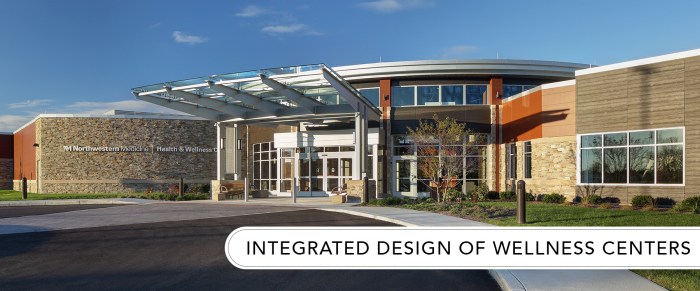
Community engagement plays a crucial role in the success of wellness centers in promoting health and wellness within the population. By involving the community in various initiatives and programs, wellness centers can address public health issues more effectively and create a positive impact on overall well-being.
Examples of Community Programs and Initiatives
- Wellness Workshops: Wellness centers often organize workshops on nutrition, stress management, fitness, and other health-related topics to educate and empower the community members.
- Health Screenings: Regular health screenings for conditions like diabetes, hypertension, and cholesterol are conducted by wellness centers to promote early detection and prevention.
- Community Fitness Classes: Offering free or low-cost fitness classes such as yoga, Zumba, or group workouts to encourage physical activity and healthy lifestyle choices.
Impact of Grassroots Efforts on Population Health Outcomes
- Improved Health Awareness: Community engagement initiatives by wellness centers help raise awareness about preventive healthcare measures, leading to better health outcomes in the population.
- Reduced Healthcare Disparities: By reaching out to underserved communities through grassroots efforts, wellness centers can bridge the gap in healthcare access and reduce disparities in health outcomes.
- Positive Behavioral Changes: Engaging with the community at a grassroots level can inspire individuals to adopt healthier behaviors, leading to long-term improvements in health and well-being.
Closing Summary
In conclusion, the integration of wellness centers into the healthcare ecosystem is a pivotal step towards a more holistic and patient-centric approach. By fostering community engagement and embracing innovative initiatives, these centers are driving positive changes in healthcare delivery and outcomes.
Question & Answer Hub
How are wellness centers reshaping the future of healthcare?
Wellness centers are integrating preventive care into traditional healthcare models, improving patient well-being, and reducing healthcare costs.
What unique services do wellness centers offer?
Wellness centers provide holistic approaches to wellness, utilize technology for enhanced patient experience, and offer services not typically found in traditional healthcare facilities.
How do wellness centers collaborate with traditional healthcare providers?
Wellness centers partner with hospitals and medical professionals to improve patient care, utilizing a multidisciplinary approach that benefits healthcare delivery.